The Lake Chapala Corridor: What Every Community Is Actually Like
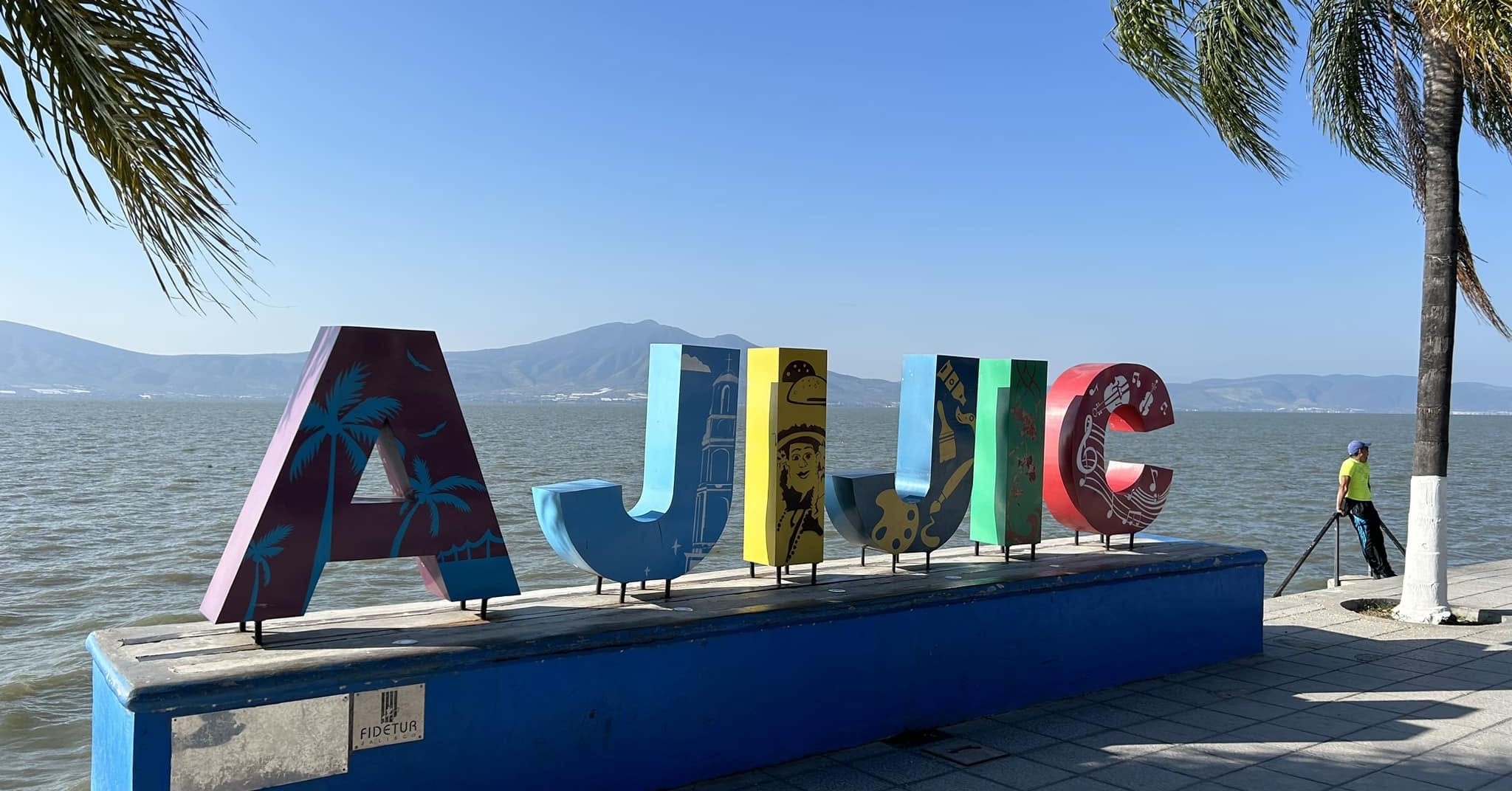
The Lake Chapala corridor stretches along the northern shore of Mexico's largest lake for roughly 50 kilometers, from the market town of Chapala in the east to the quieter western reaches of Jocotepec. Each community has its own character, price point, and daily rhythm. Knowing the differences before you start your property search can save you a lot of time, and more than a few wasted trips.
I've been working in this region since 2019. What I want to give you here isn't a tourism brochure. It's what I'd tell a friend sitting across from me at a table: what each town is actually like, who tends to end up there, and what the real estate market looks like on the ground.
Chapala: the largest town and the most overlooked
Most people flying into Guadalajara and heading for the lake are going straight to Ajijic. They pass through Chapala without stopping. That's a mistake.
Chapala is the municipal seat of the region, with around 45,000 residents. It's a real town with a full-service economy: hospitals, government offices, hardware stores, large grocery options, and a weekend tourism scene driven by visitors from Guadalajara. The malecón along the lakeshore is genuinely beautiful, and the historic pier that extends out over the water is one of the better-known images of the entire region.
Chapala Haciendas, Vista del Lago, and the streets surrounding Riberas del Pilar offer some of the best-value real estate in the corridor. You get more house for your money here than in Ajijic, with full infrastructure and proximity to everything. For buyers who don't need to be at the center of the expat scene, Chapala is frequently where I direct them first.
Riberas del Pilar and San Antonio Tlayacapan: the quiet middle ground
Between Chapala and Ajijic, Riberas del Pilar and San Antonio Tlayacapan form a mostly residential stretch that many long-term residents prefer precisely because it isn't central to anything in particular.
Riberas has a high concentration of established expat households. It's quieter than Ajijic, walkable to the lake, and within easy reach of the shopping corridor on the carretera, where Walmart, SuperLake, and Laguna Mall are all nearby. San Antonio retains a genuine village character, with the Chula Vista Golf Club on the hillside above town.
Property prices here sit between Chapala and Ajijic. Not the lowest on the corridor, but solid value for buyers who want residential comfort without the foot traffic of central Ajijic. A significant share of the long-term rental market I manage is concentrated in this stretch.
Ajijic: the heart of the expat community
Ajijic is where most people end up when they first come to the lake, and for good reason. Designated a Pueblo Mágico by the Mexican government, it's the cultural and social center of the Lakeside region. The cobblestone streets, the art galleries, the restaurants, the Saturday market, the Lake Chapala Society: the infrastructure for expat life here is more developed than anywhere else on the lake.
That's also what makes it the most expensive place to buy or rent in the corridor.
Homes in the village center, on the lake side of the carretera, and in gated communities on the hillside above town command real premiums. If Ajijic is where you want to be, the price reflects genuine demand. For those who want proximity to Ajijic without the premium, I usually suggest exploring the communities to the east and west before committing to anything.
San Juan Cosalá: thermal springs and a different pace
About 15 minutes west of Ajijic, San Juan Cosalá rewards buyers who take the time to look. It's a predominantly Mexican town with a smaller expat presence than Ajijic or Riberas. The main draw has historically been the thermal springs and hot spring resorts along the lakeshore.
On the hillside above town, gated communities like Raquet Club offer a different lifestyle: quieter, more private, with mountain views and tennis and pickleball courts. The feel is distinctly different from the village streets of central Ajijic.
Real estate here tends to be more affordable than Ajijic, and rental options at prices that often surprise buyers coming from the established communities to the east.
Jocotepec: the western end of the lake
Jocotepec sits at the western end of Lake Chapala and operates as a genuine Mexican market town. The surrounding fields supply berries to international distributors including Driscoll's, and the weekly tianguis is one of the most authentic markets in the region. The birria served here is worth the drive from Ajijic on its own.
Jocotepec is also the most affordable community in the corridor for both buyers and renters.
The expat population is smaller and more self-selected than in Ajijic. The people who settle here generally came looking for something different from the social scene further east: lower cost of living, authentic Mexican town life, proximity to the lake without the tourist traffic. For buyers on a tighter budget, or those looking for land with room to build, Jocotepec and its surrounding areas consistently offer the best value on the lake.
San Luis Soyatlán and Ixtlahuacán: the south shore
South of Jocotepec, the southern shoreline includes communities that rarely appear in the standard expat literature on the region. That's starting to change.
San Luis Soyatlán sits on the south shore with lake views facing north across the water toward the main corridor. Development is increasing here, driven by buyers priced out of Ajijic and those who prefer a quieter stretch of shoreline away from the carretera. Ixtlahuacán, further into the hills, is for buyers who want mountain terrain, lower prices, and a more private setting. The properties available there are unlike anything in the main corridor.
What this means for your property search
The most common mistake I see buyers make is arriving in Ajijic, falling in love with the town center, and assuming that's the whole lake. The corridor from Chapala to Jocotepec spans a full range of price points, lifestyles, and community types.
A retired couple who wants to walk to galleries and restaurants will land somewhere different from someone who wants a large home with a garden and space to breathe. The right community depends on what you actually need day to day. That's the conversation I try to have with every buyer and renter before we look at a single property. Location comes first.
If you have questions about any of these communities, or want to know what's currently available in a specific town, you can reach me by WhatsApp or email. I respond quickly and I'm glad to help.
Sol Ramirez is a bilingual real estate agent and Rental Manager at Lago Montaña Real Estate in Ajijic. She holds a Diplomado en Derecho Inmobiliario from CEFOR / Cámara de Comercio Guadalajara and has worked in the Lake Chapala region since 2019, covering sales and long-term rentals across the full Lakeside corridor.
Frequently Asked Questions
Which community is best for expats around Lake Chapala?
Ajijic has the largest expat population and the most social infrastructure. It's the natural starting point for most people new to the region. That said, many long-term residents eventually move to Riberas del Pilar, San Antonio, or Jocotepec for more space, lower costs, or a quieter environment.
Is Chapala or Ajijic better for real estate investment?
Both offer different opportunities. Ajijic commands higher prices and stronger rental demand from the expat market. Chapala offers better value per square meter with a larger local population. For long-term rentals, the Riberas del Pilar stretch between the two towns tends to see steady year-round occupancy.
What is Jocotepec like for foreigners?
Jocotepec is the most authentically Mexican community in the corridor. The expat population is small and tends to be quietly integrated into local life rather than concentrated in expat social circles. It offers real affordability, a market-town atmosphere, and some of the best traditional food on the lake.
How far is Lake Chapala from Guadalajara?
Chapala is about 45 minutes from central Guadalajara on the carretera. Ajijic is roughly 55 to 60 minutes. Jocotepec is around an hour and 15 minutes. The road is well-maintained and the drive is straightforward.
Can foreigners buy property in the Lake Chapala area?
Yes. Foreign nationals can own property throughout Mexico. At Lake Chapala specifically, because we're inland and outside Mexico's restricted zone, foreigners take title directly in their own name through an escritura (deed), with no bank trust required. The fideicomiso that gets so much attention applies to coastal and border properties, not here. I hold a Diplomado en Derecho Inmobiliario and walk every client through the process. See my full guide to Mexico's restricted zone and the fideicomiso for the details.
What is the best community for long-term rentals near Lake Chapala?
Ajijic and Riberas del Pilar have the strongest consistent rental demand, driven by the expat and snowbird population. Chapala and Jocotepec offer lower rental prices and attract a mix of local and international tenants. The right market depends on the property type and your target tenant. I manage rentals across all of these areas and can advise based on current inventory and demand.