The Lake Chapala Market at Mid-Year: A 2026 Report from the Ground
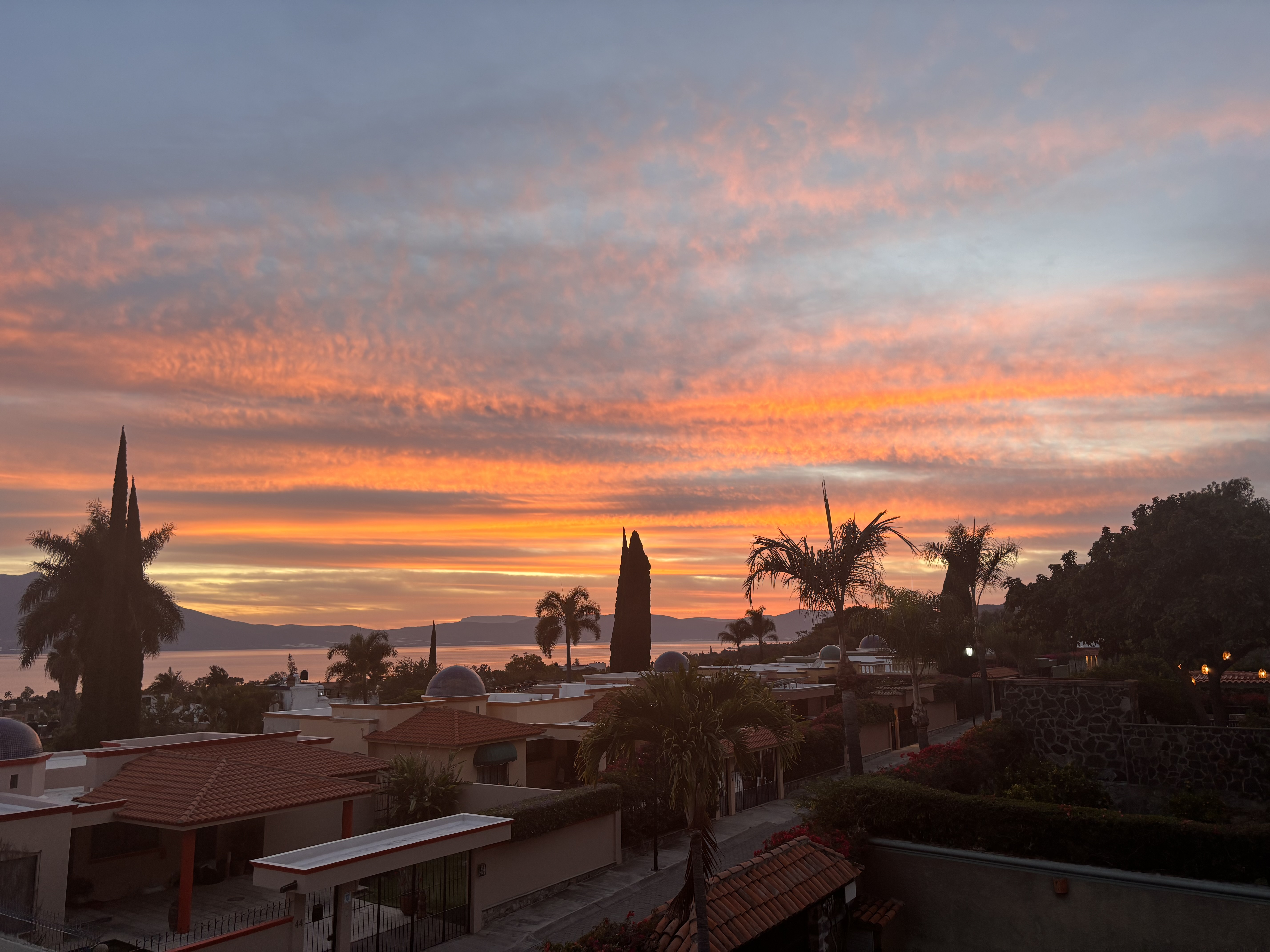
These are mid-year 2026 figures. For the latest numbers, updated every month from the Chapala MLS, see the Lake Chapala Market Report.
Every week someone asks me some version of the same question: how is the market? My honest answer is that there are two ways to read this lake. From a distance, the Ribera is one market with one trend line. On the ground, it is a string of very different towns along the northern shore, each with its own buyers and its own prices. You need both views to make a good decision, so that is how I have written this: the big picture first, then a walk along the shore, and then what it all means if you are thinking about buying, selling, or renting here.
A note before the numbers. Lake Chapala is a small market. There is no government office publishing a monthly housing report for the Ribera, so the honest sources are our own MLS, the reporting local brokers publish from it, and a handful of independent research firms that track the area. I have named my sources throughout, and where a figure is an estimate I say so. This is the same read I would give you across the table at my office in Riberas del Pilar.
The big picture at mid-2026
Here is the summary I give clients: after a decade of steady growth, prices have leveled off, sellers are still asking more, and the two sides are meeting in the middle the way they always have here, slowly and mostly in cash.
Based on MLS data compiled by local brokers, the average sale price of a home at Lakeside was about $360,000 USD in 2025, roughly 2 percent below 2024. That small dip matters less than what sits behind it: over the past decade, prices here have risen about 40 percent in real terms, and roughly 76 percent in nominal terms since 2016, according to research from TheLatinvestor, an independent firm that tracks Mexican property markets. So a flat year is not a market in trouble. It is a market catching its breath.
Asking prices tell a slightly different story. As of early 2026, list prices across the Ribera were running about 6 percent above a year earlier, led by Ajijic Centro, San Antonio Tlayacapan, and Riberas del Pilar. When sale prices hold flat while asking prices climb, it means sellers are optimistic and buyers are patient. In practice, homes here close at about 94 to 98 percent of the asking price, and the typical negotiation lands at a discount of 2 to 6 percent. Most of those deals are cash, which is one of the defining features of this market: there is no wave of mortgage-driven speculation to unwind, and no rate shock that forces anyone to sell.
The other number worth knowing is how small the market really is. At any given moment there are only about 350 to 400 active residential listings on the entire Ribera. A typical home takes somewhere between 90 and 140 days to sell. Well-priced homes in walkable areas move in 45 to 90 days, and overpriced lake-view homes can sit for 180 days or more. In a market this size, a modest shift in demand moves prices quickly, in either direction.
The market in one sentence: sale prices flat at around $360,000 USD on average, asking prices up about 6 percent, 350 to 400 homes for sale on the whole Ribera, and nearly everything closing in cash within a few points of the asking price.
The lake itself is the story of the year
You cannot write a 2026 market report for this region without starting at the shoreline. In 2024, a severe drought took more than 2 meters of water from Lake Chapala, and anyone who walked the malecón that year remembers how far the water had retreated. Then came the extraordinary 2025 rainy season. By the end of 2025 the lake had climbed back to 77.55 percent of capacity, its best level in years, and it entered 2026 high, according to reporting from Lakeside News Chapala and Mexico News Daily. After the usual dry-season decline, it stands near two-thirds of capacity as the 2026 rains begin.
Why does this belong in a real estate report? Because the lake is the region's economy and its postcard at the same time. It supplies more than 60 percent of Guadalajara's water, it drives the weekend tourism that fills the malecones in Chapala and Ajijic, and it is the view that lake-view premiums are priced on. The 2024 drought was the closest thing this market has to a stress test, and what impresses me looking back is how little the drought moved property values. The recovery since has brought the tourists back and, with them, a visible lift in confidence.
One lake, many markets
When someone asks me how the market is, my first question back is: which town? I wrote a full community-by-community guide to the corridor, so here I will keep to what the numbers say in 2026.
Ajijic Centro. The heart of the expat community and the most competitive corner of the market. Asking prices here are growing an estimated 9 to 11 percent a year, the fastest on the Ribera, and premium blocks list at roughly MXN 45,000 to 70,000 per square meter. Walkability is what you are paying for: village homes within reach of the plaza rarely stay on the market long when they are priced honestly.
La Floresta and West Ajijic. The top of the price range. Lake-view and estate properties here typically list between $450,000 and $1 million USD, and this is where the Ribera's few true luxury sales happen. Some lakefront villas were listed near $790,000 USD in the first half of 2026.
San Antonio Tlayacapan and Riberas del Pilar. The quiet middle ground between Ajijic and Chapala, and in my experience the most underestimated stretch of the corridor. Asking prices are growing an estimated 7 to 10 percent a year as buyers priced out of central Ajijic look next door. Solid homes in the $200,000 to $220,000 USD range still exist here, and this stretch anchors much of the long-term rental demand I manage.
Chapala Centro. The municipal seat keeps offering the best value for buyers who want a real, full-service Mexican town. Researchers point to Chapala Centro as one of the areas showing the clearest signs of new investment and rising interest, which long-term buyers should read as an early signal rather than a headline.
San Juan Cosalá and the west shore. Value territory. Around $500,000 USD buys a 3-bedroom home in a gated community in San Juan Cosalá, while Jocotepec and the western villages offer homes from roughly $130,000 to $300,000 USD. Buyers who need their budget to stretch keep moving west, exactly as they have for years.
Who is buying right now
The most interesting shift in this market has nothing to do with prices. For decades, the story of Lakeside real estate was American and Canadian retirees, and that demand is still here: an estimated 15,000 to 20,000 expats live at the lake full time, with the winter season pushing the number past 30,000. More than 2 million Americans now live in Mexico, about 75 percent more than in 2019, and the pipeline of retirees and remote workers has not slowed.
What has changed is who is signing for the new construction. Mexican nationals now account for the majority of new-build purchases at Lake Chapala, according to TheLatinvestor's 2026 market analysis. Guadalajara families have rediscovered the lake, an hour from the city, and they are buying weekend homes and investment property in the same neighborhoods the expat market watches. I am Mexican, I work with both communities every week, and I can tell you this is not a temporary blip. It is the market maturing into something more balanced, and it puts a floor under demand that did not exist when everything depended on the retiree wave from up north.
The rental market keeps doing its quiet work
Rentals are half of my work, so I watch this side of the market closely. Long-term rental demand keeps growing at a moderate, steady pace, concentrated in Ajijic, Riberas del Pilar, and San Antonio, driven by two groups: snowbirds who return every winter, and new arrivals doing the smart thing and renting before they buy. On the short-term side, independent estimates put occupancy for well-run vacation rentals at 35 to 45 percent, with walkable Ajijic locations and lake views performing best.
For buyers, the takeaway is simple: a well-located home here can earn real income, whether that means renting it out during the months you travel or holding it as a pure investment. If you want a read on what a specific property could earn, that is a conversation I have with clients all the time. You can see what I currently manage on the rentals page.
What this means for buyers and sellers
If you are buying, conditions favor you more than they have in several years. Sale prices are flat, there is a genuine discount to be negotiated on most homes, and the cash-driven nature of the market means honest, unhurried dealmaking. The caution is the size of the market: with only a few hundred listings lake-wide, the home that fits you may simply not exist this month. When the right one appears, be ready. Independent forecasts call for 4 to 7 percent price growth over the next 12 months, so waiting has a cost too. Foreign buyers should also know that buying here is simpler than the internet suggests: the Ribera sits outside Mexico's restricted zone, so foreigners take direct title, as I explain in my guide to the fideicomiso question.
If you are selling, the gap between asking prices and sale prices is the number to respect. Buyers here are patient, they are usually paying cash, and they know an overpriced listing when they see one, because there are only a few hundred to compare against. A home priced to the current market sells in two or three months. An aspirational price buys you six months of showings and a price cut. Presentation and honest pricing were always good advice; in 2026 they are the whole game.
If you want to know what these numbers mean for a specific town, a specific budget, or a home you already own, write to me or send me a WhatsApp. I live this market every day, in both languages, and I am glad to help.
Where these numbers come from
Sale-price and inventory figures are based on Chapala MLS data as compiled in published broker reporting; asking-price trends, days on market, neighborhood growth estimates, and forecasts are from TheLatinvestor's Lake Chapala research, updated July 2026; lake level reporting is from Lakeside News Chapala and Mexico News Daily; expat population estimates are drawn from relocation industry reporting on Americans in Mexico. Where figures are estimates, I have described them that way. No one audits this market officially, which is exactly why working with someone who is in it every day matters.
Sol Ramirez is a bilingual real estate agent and Rental Manager at Lago Montaña Real Estate in Ajijic. She holds a Diplomado en Derecho Inmobiliario from CEFOR / Cámara de Comercio Guadalajara and has worked in the Lake Chapala region since 2019, covering sales and long-term rentals across the full Lakeside corridor.
Frequently Asked Questions
Are Lake Chapala home prices going up or down in 2026?
Mostly sideways, which is healthy after a decade of growth. Based on MLS data compiled by local brokers, the average sale price at Lakeside was about $360,000 USD in 2025, roughly 2 percent below 2024. Asking prices in early 2026 were about 6 percent higher than a year earlier, led by Ajijic Centro. Over the past decade, prices have risen about 40 percent in real terms, and independent forecasts call for 4 to 7 percent nominal growth over the next 12 months.
What is the average home price in Ajijic and Lake Chapala right now?
The Lakeside-wide average sale price was about $360,000 USD in 2025. That blends everything from $130,000 homes in Jocotepec to $1 million lake-view estates in La Floresta and West Ajijic. In central Ajijic, premium blocks list at roughly MXN 45,000 to 70,000 per square meter, while San Antonio Tlayacapan and Riberas del Pilar still offer solid homes in the $200,000 to $220,000 range.
Is now a good time to buy property at Lake Chapala?
Conditions favor buyers more than they have in several years. Sale prices are flat, homes typically close at 94 to 98 percent of asking, and the market's cash-driven nature keeps negotiations honest. The constraint is selection: only about 350 to 400 homes are listed on the entire Ribera at any moment, so the right property may take patience, and independent forecasts still project 4 to 7 percent price growth over the next year.
How long do homes take to sell at Lake Chapala?
A typical home takes about 90 to 140 days. Well-priced homes in walkable areas like central Ajijic move in 45 to 90 days, while overpriced lake-view properties can sit for 180 days or more. Because nearly all sales are cash and buyers can compare every listing on the Ribera, pricing honestly from the start is the single biggest factor in how fast a home sells.
Has Lake Chapala's water level recovered from the drought?
Yes, substantially. The 2024 drought took more than 2 meters from the lake, but the extraordinary 2025 rainy season brought it back to 77.55 percent of capacity by year's end, its best level in years. After the normal dry-season decline it stands near two-thirds of capacity as the 2026 rains begin. The recovery has brought weekend tourism back to the malecones and lifted confidence across the region.
Who is buying real estate at Lake Chapala in 2026?
Both of the lake's markets are active. American and Canadian retirees and remote workers keep arriving, with an estimated 15,000 to 20,000 expats living Lakeside full time. The newer development is that Mexican nationals, many of them Guadalajara families buying weekend and investment homes, now account for the majority of new-construction purchases. That broader base of demand is good news for anyone who owns property here.